
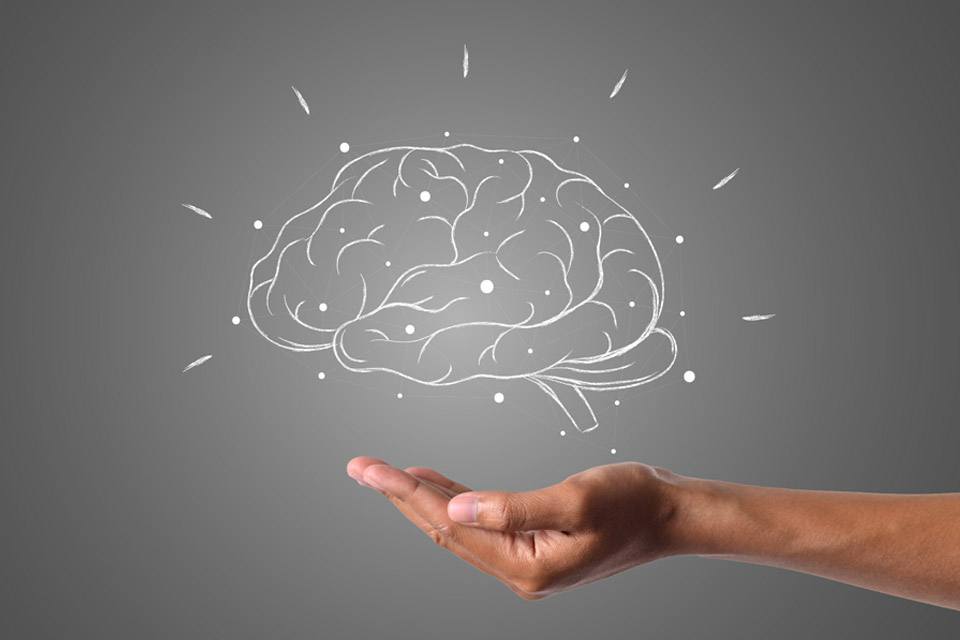
Neuromarketing is a discipline that combines neuroscience, psychology and marketing techniques to study the unconscious mechanisms that drive buying decisions. In practice, it tries to understand how the human brain reacts to advertising and communication.
The key principles of neuromarketing
- Emotion > reason: 95% of decisions are made at an unconscious level. Emotions drive the purchase; logic justifies it afterwards.
- Priming effect: the first visual or verbal stimulus shapes everything that follows. First impressions count (and they stick).
- Cognitive biases: the brain simplifies choices using “shortcuts” (such as scarcity, the anchoring effect and social proof).
- Visual memory: images are remembered better than words. A powerful visual is worth more than 1,000 words… literally.
How to use it in your campaigns
1. Create eye-catching, intuitive visuals
The human eye is drawn to faces, simple shapes and contrasting colours. Use graphic elements that spark curiosity and make reading easier.
2. Harness the power of emotion
Avoid cold or overly technical slogans: stir emotions, tell stories, focus on empathy. Emotions create stronger connections with the brand.
3. Use social proof
Show reviews, testimonials and numbers of satisfied customers. The brain trusts what others have already chosen.
4. Use urgency and scarcity
Phrases like “today only” or “last 3 items available” activate the limbic system and prompt action.
5. Optimise headlines and CTAs (calls to action)
Simple, direct words with action verbs. Avoid ambiguity. The brain loves clarity and immediacy.
Neuromarketing isn’t magic: it’s science at the service of creativity. Used ethically and strategically, it lets you build more engaging campaigns that are more memorable and genuinely more effective. Want to apply neuromarketing to your communication materials?
Contact us for a free quote.